
How long-duration energy storage can reduce Germany’s security of supply costs
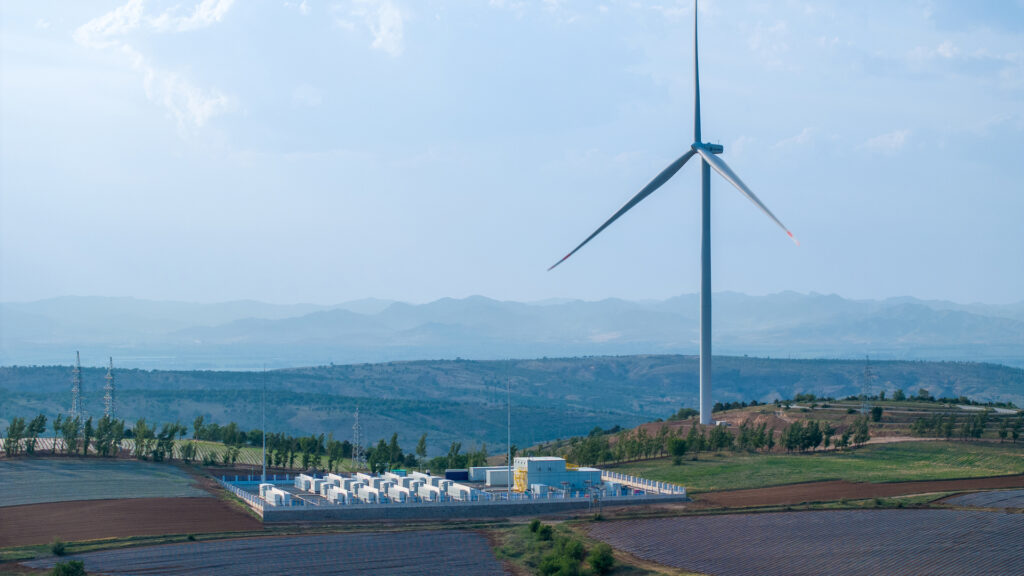
Germany’s electricity system is entering a decisive transition period, with the country targeting greenhouse‑gas neutrality by 2045. At the same time, the conventional generation fleet is shrinking: Germany’s last three nuclear power plants were shut down on 15 April 2023, and the Coal Phase‑out Act provides for the last coal-fired power station to close no later than 2038.
Policy targets imply a power system dominated by intermittent renewables by 2030. Under the Renewable Energy Sources Act (EEG) 2023, Germany aims for at least 80% of gross electricity consumption from renewables by 2030, with an expansion path of 215 GW solar PV and 115 GW onshore wind (among others). As weather‑dependent generation rises and baseload capacity declines, maintaining adequacy through periods of low renewables availability becomes increasingly challenging, driving the need for reliable dispatchable capacity.
This is the policy context for the government’s evolving security‑of‑supply…


